
X-SENSE is sharing practical home safety guidance to help households better understand the dangers of carbon monoxide, recognize possible exposure.
WILMINGTON, Del., Nov. 25, 2026 — X-SENSE is sharing practical home safety guidance to help households better understand the dangers of carbon monoxide, recognize possible exposure symptoms, and take preventive measures. Often described as a silent threat, carbon monoxide can accumulate indoors without any noticeable smell, color, or visible warning.
Unlike smoke, which may be detected through sight or smell, carbon monoxide cannot be identified by human senses alone. Proper appliance maintenance, safe household practices, and reliable detection are therefore important parts of protecting family members from accidental exposure.
Understanding the Hidden Risks of Carbon Monoxide
Carbon monoxide (CO) is a poisonous gas produced when fuels such as natural gas, propane, wood, gasoline, and charcoal burn incompletely.
Common household sources include gas furnaces, fireplaces, water heaters, portable generators, and fuel-burning cooking appliances. Vehicles running in attached garages can also create dangerous conditions, even when garage doors are open.
Poor ventilation, malfunctioning equipment, or blocked exhaust systems can allow carbon monoxide to accumulate indoors.
According to the Centers for Disease Control and Prevention (CDC), carbon monoxide exposure can cause serious illness and may become life-threatening without warning.
Understanding potential sources of exposure is an important first step in preventing household emergencies.
Recognize the Warning Signs of Carbon Monoxide Poisoning
Carbon monoxide poisoning can be difficult to recognize because early symptoms often resemble common illnesses.
Possible symptoms include:
Headaches and dizziness
Weakness or unusual fatigue
Nausea and vomiting
Shortness of breath
Confusion and difficulty concentrating
Severe exposure can lead to unconsciousness, permanent injury, or death.
Symptoms may be especially concerning when several household members experience similar discomfort at the same time or begin feeling better after leaving the property.
Infants, older adults, and individuals with heart disease, anemia, or respiratory conditions may face increased health risks.
Because symptoms alone cannot confirm carbon monoxide exposure, residents should seek immediate medical attention when poisoning is suspected.
Where Should Carbon Monoxide Alarms Be Installed?
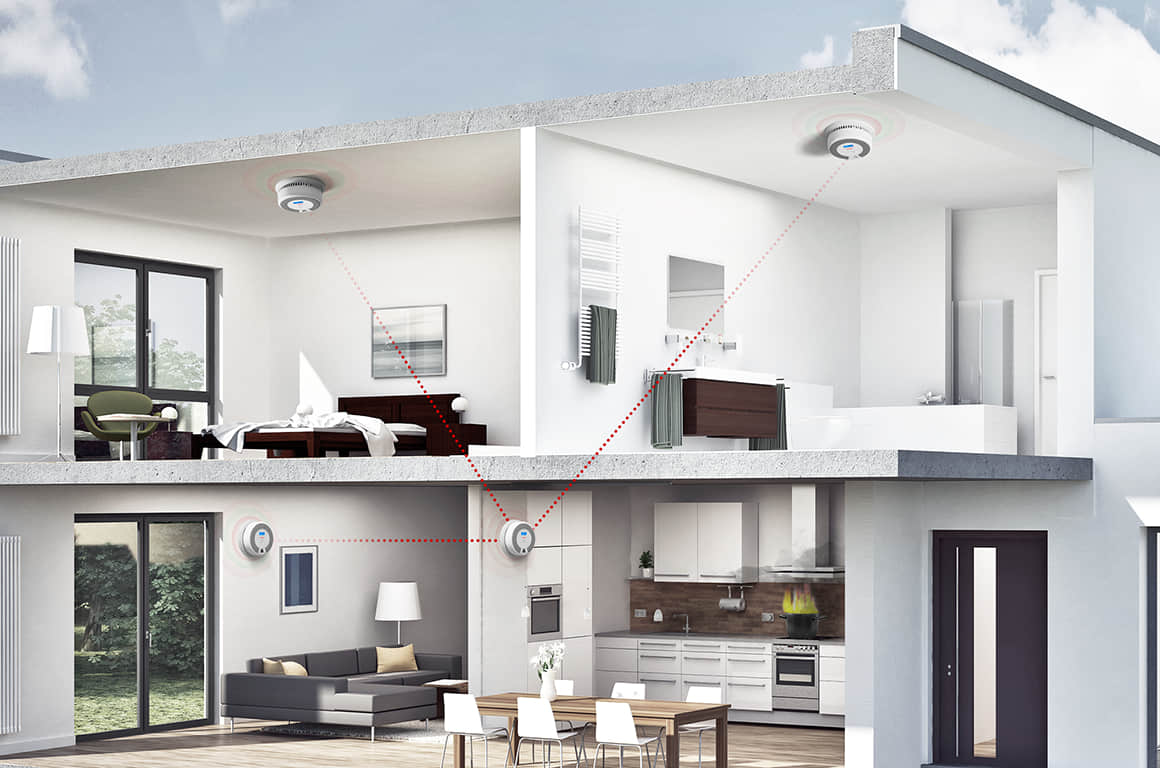
Proper alarm placement helps households receive warnings when dangerous carbon monoxide concentrations develop.
The U.S. Consumer Product Safety Commission (CPSC) recommends installing carbon monoxide alarms on every level of the home and outside sleeping areas.
Additional protection may be appropriate in larger properties, particularly where bedrooms are separated by long hallways or located on different floors.
When selecting a carbon monoxide alarm, homeowners should consider the property’s layout, sleeping arrangements, power requirements, and the manufacturer’s installation instructions.
Alarms should not be positioned where furniture, curtains, or other objects could obstruct detection. Locations close to heating vents, fans, or other strong airflow sources may also interfere with performance.
Unlike smoke alarms, carbon monoxide alarms do not necessarily need ceiling placement. The appropriate mounting position depends on the particular device and its installation requirements.
Choosing and Maintaining a Reliable Carbon Monoxide Alarm
Carbon monoxide alarms are designed to detect potentially dangerous gas concentrations and provide an audible warning before occupants may recognize exposure.
Different alarm types offer varying features, including battery operation, digital displays, and wireless connectivity.
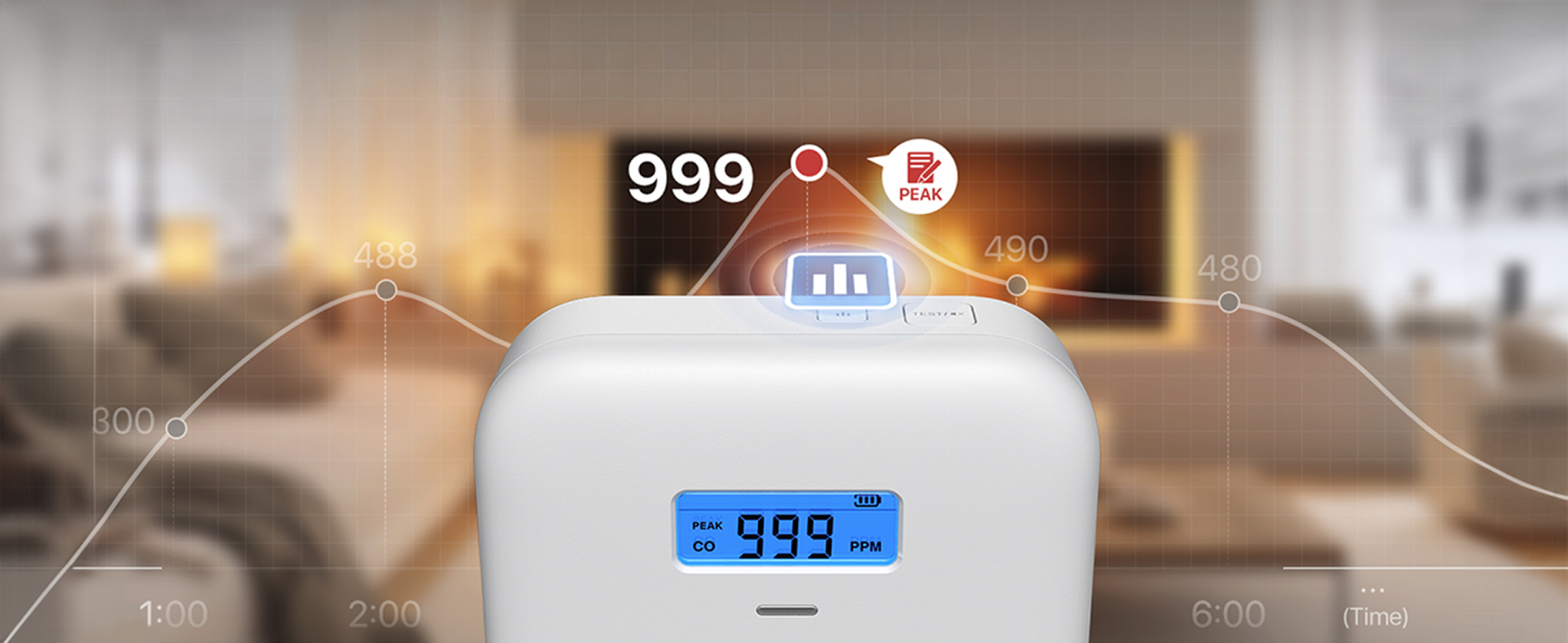
X-SENSE XC0K-SN standalone carbon monoxide alarm uses an electrochemical sensor to monitor carbon monoxide concentrations. The model includes a backlit LCD, peak concentration memory, and a sealed lithium battery with a stated service life of up to 10 years.
As a standalone device, it operates independently rather than communicating with other alarms or a smartphone application.
Regardless of the model, regular maintenance remains essential.
Residents should test alarms according to the manufacturer’s instructions, investigate fault warnings promptly, and replace devices when they reach their specified service life.
Testing the alarm button helps verify its electronic functions and audible warning system, but it does not independently confirm sensor accuracy.
Everyday Steps to Prevent Carbon Monoxide Exposure
Prevention begins with the safe use and maintenance of household equipment.
Heating systems, chimneys, and fuel-burning appliances should be inspected regularly by qualified professionals. Blocked vents, damaged exhaust connections, or poorly maintained equipment should be repaired promptly.
Portable generators should always operate outdoors, at least 20 feet away from the home, with exhaust directed away from doors, windows, and ventilation openings.
Charcoal grills, camping stoves, and other outdoor fuel-burning equipment should never be used indoors for heating or cooking.
Residents should also avoid using gas ovens to heat living spaces and should never leave vehicles running inside attached garages.
These precautions help reduce the risk of carbon monoxide entering occupied areas.
What to Do if a Carbon Monoxide Alarm Sounds
A carbon monoxide alarm should always be treated seriously.
If an alarm sounds, occupants should immediately move outdoors into fresh air and account for everyone in the household.
Emergency services should be contacted from a safe location. Residents should not return inside to investigate, collect belongings, or silence the alarm.
Re-entry should only occur once emergency responders or qualified professionals have confirmed that the property is safe.
Anyone experiencing possible poisoning symptoms should receive prompt medical evaluation, even if symptoms improve after leaving the building.
A clear household emergency plan can help family members respond quickly and avoid unnecessary delays.
Carbon monoxide safety depends on several protective measures working together. Proper appliance maintenance, safe ventilation, reliable alarms, and awareness of exposure symptoms can help households reduce preventable risks.
Taking time to review these precautions can make a meaningful difference when an unexpected emergency occurs.
About X-SENSE
Founded in 2013, X-SENSE has safeguarded more than 15 million households worldwide with its comprehensive range of smoke alarms, carbon monoxide detectors, and environmental sensors. Backed by international certifications and designed with long-term reliability and user convenience in mind, X-SENSE continues to develop practical safety solutions for homes around the world.
Media Contact
Company Name: X-SENSE ELECTRONICS LLCContact Person: MartinEmail: partners@x-sense.comWebsite: https://www.x-sense.com/State/Country: Delaware, United States