
Key Takeaways
- Fentanyl overdose deaths among teenagers more than doubled between 2019 and 2020, and the crisis has continued to intensify – even as overall teen drug use has declined.
- Behavioral signs like social withdrawal, dropping grades, and unexplained money problems are often the first red flags parents notice before any physical symptom appears.
- Counterfeit pills are the biggest driver of teen fentanyl deaths – many look identical to legitimate prescriptions like Adderall or Xanax, and 6 in 10 contain a potentially lethal dose.
- While Texas teens are being affected by the fentanyl crisis, the state’s fentanyl-related overdose death rate has been comparatively lower than the national average and some other hard-hit states. Between 2019 and 2023, only 34% of Texas overdoses involved fentanyl, nearly half the U.S. rate of 62%.
- Residential treatment centers offer specialized care for teens struggling with fentanyl and co-occurring mental health conditions – a resource worth considering if warning signs are present.
Every parent’s instinct says something is wrong before they can name it. A teenager who used to talk at dinner goes quiet. Grades slip. Money goes missing. These changes can feel like normal teenage moodiness – but in today’s fentanyl landscape, waiting too long to act can have permanent consequences.
Fentanyl Overdose Deaths Among Teens Have More Than Doubled Since 2019
Research published in the New England Journal of Medicine by Dr. Joseph Friedman and Dr. Scott Hadland found that overdose deaths among adolescents aged 14-18 more than doubled between August 2019 and March 2020. By 2022, drug overdoses and poisonings had become the third-leading cause of pediatric death in the United States – behind only firearm injuries and motor vehicle crashes. Every week in 2022, an average of 22 adolescents died from a drug overdose.
What makes this especially alarming is that overall teen drug use has actually gone down. In 2002, nearly 21% of 12th graders reported using an illicit drug other than cannabis in the past year. By 2022, that number had dropped to 8%. Teens aren’t using more drugs – they’re dying because the drugs they encounter are far more lethal than before. Fentanyl is now involved in at least 75% of adolescent overdose deaths.
Knowing the signs of fentanyl use – and acting on them – is one of the most important things a parent can do, and it can be the difference between catching a problem early and facing a tragedy.
Why Fentanyl Is So Dangerous for Teens
Fentanyl is a synthetic opioid used medically for severe pain – but street fentanyl is a completely different product. Unregulated and inconsistently dosed, it is typically manufactured in illegal labs or trafficked across borders. Its potency is what makes it uniquely deadly.
Street Fentanyl: Unpredictable Potency, 50-100x Stronger Than Morphine
Fentanyl is 50 to 100 times more potent than morphine. A dose that’s barely visible to the naked eye can cause a fatal overdose. Because street fentanyl isn’t produced under any quality control, potency varies wildly from batch to batch – meaning even a teen who has used before has no way to gauge how much is too much.
Counterfeit Pills: 6 in 10 Contain a Potentially Lethal Dose
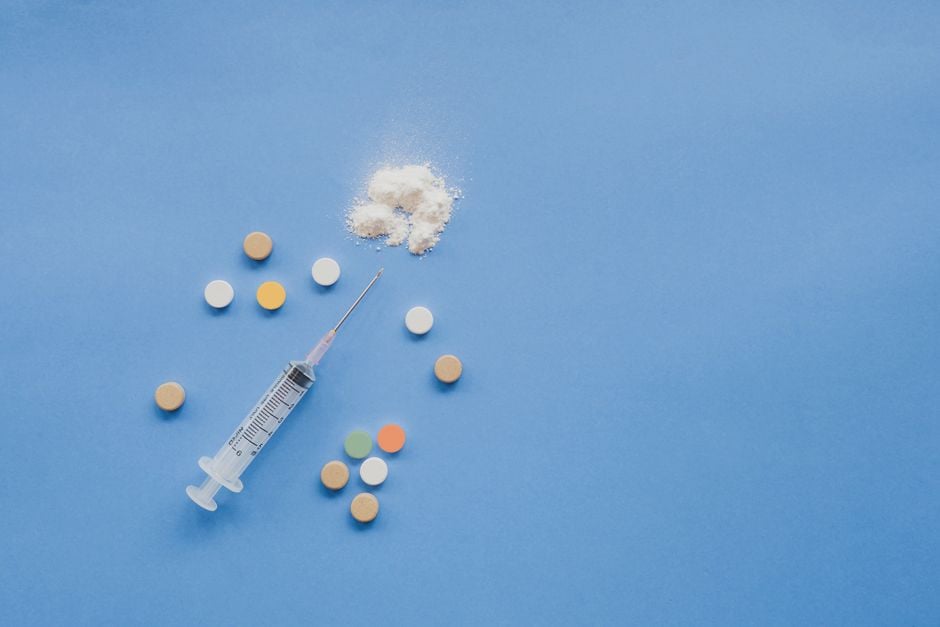
The DEA has confirmed that 6 out of 10 counterfeit pills seized in the United States contain a potentially lethal dose of fentanyl. These pills are designed to look exactly like legitimate prescriptions – including oxycodone M30 tablets, Xanax bars, and Adderall. Many teens who encounter them have no idea they’re taking fentanyl at all. The DEA has also flagged rainbow fentanyl – pills made in bright colors – as a trafficking strategy that can appeal to younger users.
This is why the counterfeit pill problem is so devastating for teens. A teenager experimenting with what they believe is a prescription stimulant or anxiety pill could unknowingly take a fatal dose of fentanyl.
Behavioral Signs of Fentanyl Use
Physical symptoms aren’t always the first thing parents notice. Behavioral changes often show up weeks or even months before any visible physical sign. Knowing what to look for behaviorally can give families a critical head start.
Social Withdrawal and Secrecy
A teen who starts pulling away from family, drops long-time friends in favor of a new crowd, or becomes unusually guarded about their phone, location, and activities may be signaling something more than typical teenage privacy. Secretive behavior – locked doors, hushed calls, unexplained absences – is one of the most consistently reported early signs of opioid use in adolescents.
Declining Grades and Lost Interests
Opioids like fentanyl blunt motivation. A teen who used to care about sports, art, school clubs, or academics and suddenly seems indifferent to all of it is showing a meaningful change in baseline functioning. Declining grades paired with a loss of interest in previously valued activities is a pattern that warrants a real conversation – not a passing assumption about stress.
Unexplained Financial Problems
Missing money, requests for cash without explanation, or discovering that a teen’s personal belongings have disappeared can point to a substance habit. Fentanyl addiction is expensive to maintain. If money or valuables are going missing from the home without explanation, that’s a red flag that shouldn’t be rationalized away.
Physical Signs Parents Should Know
When fentanyl use progresses, the body begins to show it. These physical signs can appear during or shortly after use and are medically recognizable indicators of opioid intoxication.
Constricted Pupils and Drowsiness
Pinpoint pupils – pupils that remain very small even in a dim room – are a hallmark sign of opioid use. Combined with excessive drowsiness, nodding off mid-conversation, or appearing sedated in situations that should require alertness, this physical combination is a serious indicator. Fentanyl is a central nervous system depressant, and its sedating effects are pronounced even at relatively low doses.
Slurred Speech or Confusion
Fentanyl affects cognitive processing quickly. Slurred or slow speech, difficulty forming coherent sentences, appearing confused or disoriented, nausea, and vomiting are all physical signs of opioid intoxication. If these symptoms appear suddenly and without an obvious cause like illness, fentanyl – or another opioid – should be considered.
Recognizing a Fentanyl Overdose
Overdose Symptoms That Demand Immediate Action
A fentanyl overdose is a medical emergency. Symptoms escalate fast, and response time matters enormously. Call 911 immediately if a teen shows any of the following:
- Pinpoint (extremely small) pupils
- Slow, shallow, or completely stopped breathing (respiratory depression)
- Blue or grayish lips, fingertips, or fingernails (cyanosis)
- Gurgling or choking sounds
- Unresponsiveness – unable to be woken up
Naloxone (Narcan) can reverse the effects of an opioid overdose and is now available over the counter. Keeping it on hand and knowing how to use it can save a life while waiting for emergency services. Do not wait for all symptoms to appear – if a teen is unresponsive and breathing is abnormal, act immediately.
Mental Health and Teen Fentanyl Use
The connection between mental health and substance use in adolescents is well-established. Johns Hopkins Medicine notes that multiple studies have identified elevated drug use risk among teens with undiagnosed mental health disorders – particularly anxiety and ADHD. Research published in the New England Journal of Medicine found that 41% of adolescents who died of an overdose between 2019 and 2021 had a known mental health problem or history of receiving mental health care, while only 11% had a prior history of substance-use treatment.
Teens dealing with depression, anxiety, trauma, or ADHD may turn to substances – including fentanyl-laced counterfeit pills – as a way to manage symptoms they don’t have the language or support to address. Effective treatment for teen fentanyl addiction must address both the substance use and the underlying mental health factors driving it. Treating one without the other significantly reduces the chances of lasting recovery.
How the Fentanyl Crisis Is Affecting Texas Teens
While Texas teens are being affected by the fentanyl crisis, the state’s fentanyl-related overdose death rate has been comparatively lower than the national average and some other hard-hit states. Between 2019 and 2023, only 34% of Texas overdoses involved fentanyl, nearly half the U.S. rate of 62%. That said, the Texas Health and Human Services Commission has issued warnings specifically about the danger of counterfeit pills, noting that many teens and parents remain unaware of how widespread fentanyl contamination in fake prescription drugs has become across the state.
Geographic data from the New England Journal of Medicine study highlights that western states – such as Arizona, Colorado, and Washington – have seen some of the most concentrated adolescent overdose clusters in the country. Texas families cannot afford to treat this as someone else’s problem.
Professional Treatment Offers Families a Way Forward
When warning signs appear – or when a crisis has already happened – having a clear next step matters. Treatments designed specifically for teenagers offer the best chance of recovery. These approaches combine medical supervision, evidence-based behavioral therapies, and structured family involvement to address both fentanyl addiction and co-occurring mental health disorders in one integrated program.
For particularly severe cases, residential treatment creates the kind of structured, distraction-free environment that outpatient care can’t replicate – particularly for teens whose home environment may have contributed to or enabled their substance use. Detoxification, individual therapy, group therapy, and family sessions give teens the strongest possible foundation for genuine, long-term recovery.
Recognizing the signs early, taking them seriously, and connecting with the right level of care are the three steps that give families the best chance of a different outcome.
Clearfork Academy
info@clearforkacademy.com
+1-888-430-5149
7820 Hanger Cutoff Road
Fort Worth
TX
76135
United States


