Key Takeaways
- Premium Price Range: Collectors regularly pay $300 to $7,000+ for artisan kaleidoscopes, with exceptional pieces reaching significant values at auction
- Value Determinants: Artist reputation, rarity classification, condition, and craftsmanship quality drive market pricing more than decorative appeal
- Investment Viability: Active secondary markets and documented auction records prove these aren’t toys but legitimate art investments
- Material Excellence: Premium woods, stained glass, and precision mirror systems justify high valuations among serious collectors
Artisan kaleidoscopes have evolved far beyond childhood toys into sophisticated collectible art forms commanding serious investment dollars. Understanding what drives their market value helps collectors make informed purchasing decisions in this specialized field. The experts at Steve Gray Kaleidoscopes break it down.
Collectors Pay $300 to $7,000+ for Artisan Kaleidoscopes
The contemporary kaleidoscope market operates in distinct price tiers that reflect quality and artistic merit. Fine handcrafted kaleidoscopes for collectors typically start at $300, with exceptional pieces reaching well into the thousands.
At the high end of the market, auction records demonstrate extraordinary values for historically significant pieces. Museum-quality works have achieved remarkable prices, establishing benchmarks for exceptional artisan pieces.
These price points reflect the reality that contemporary kaleidoscope collecting operates as a legitimate art market rather than a novelty purchase category. The substantial financial commitments involved indicate collector confidence in both artistic merit and long-term value retention.
Artist Reputation Drives Premium Pricing
Artist recognition serves as a leading value driver in kaleidoscope collecting, commanding significant premiums due to reputations for exceptional craftsmanship that directly translates to market value.
Exhibition History and Peer Recognition
Exhibition participation and peer recognition establish an artist’s credibility within the collecting community. Gallery shows, juried exhibitions, and awards create documented histories that support higher valuations. Artists who consistently exhibit at recognized venues demonstrate sustained quality and professional commitment that collectors value when making investment decisions.
Artistic Training and Technical Mastery
Technical proficiency across multiple media significantly impacts an artist’s market position. Many kaleidoscope artists combine skills in glassblowing, metalworking, and woodworking to create unique pieces. This cross-disciplinary expertise allows for original designs that justify premium pricing compared to single-medium approaches.
Evolution of Creative Vision Over Time
Mature artists who demonstrate artistic growth and development over extended careers typically achieve the highest market values. Collectors seek evidence of creative development through distinct periods or bodies of work that show progression in form, technique, and artistic expression. This evolution indicates serious artistic commitment rather than commercial production.
Rarity Scale Determines Market Value
The kaleidoscope collecting community employs a structured rarity classification system that directly influences pricing and investment potential. This framework, adapted from art collecting standards, provides collectors with clear value guidelines.
Common to Unique Classification System
A commonly understood rarity scale progresses from Common (widely available pieces) through Available, Uncommon, Scarce, Rare, Very Rare, to Unique (one-of-a-kind). Each classification level typically supports higher pricing as availability decreases and collector competition increases.
Edition Sizes Impact Investment Potential
Limited edition sizes create scarcity that drives long-term value appreciation. Contemporary artists who restrict production runs to small numbers often see their works appreciate more rapidly than those creating larger editions. This scarcity principle operates consistently across all art collecting markets, making small-edition kaleidoscopes attractive investment opportunities.
Condition and Provenance Affect Appreciation
Physical condition and ownership history significantly influence kaleidoscope valuations, with specific condition categories determining market positioning and future appreciation potential.
Condition Assessment Categories
Collectors commonly recognize condition categories ranging from new (first-time sale) through mint (pristine but pre-owned), excellent (slight wear with perfect optics), collectible (functional with minor use evidence), to enjoyable (well-loved with possible flaws). Each category supports different pricing levels and appreciation potential, with higher conditions commanding premium valuations.
Original Ownership and Museum Provenance
First-owner pieces and museum deaccessions carry provenance premiums that enhance long-term value. Known collector ownership or institutional history adds credibility and often commands higher prices in secondary market transactions. This documentation becomes increasingly important as pieces change hands over time.
Technical Quality and Mirror System Integrity
Optical system condition directly affects both current usability and future value retention. Mirror alignment, object cell integrity, and viewing clarity must remain pristine for pieces to maintain collectible status. Technical flaws significantly reduce both current market value and appreciation potential.
Premium Materials and Craftsmanship Justify High Values
Material selection and construction quality provide tangible justification for premium pricing in the artisan kaleidoscope market. Collectors recognize superior craftsmanship through specific material and construction choices.
Exotic Woods and Precision Engineering
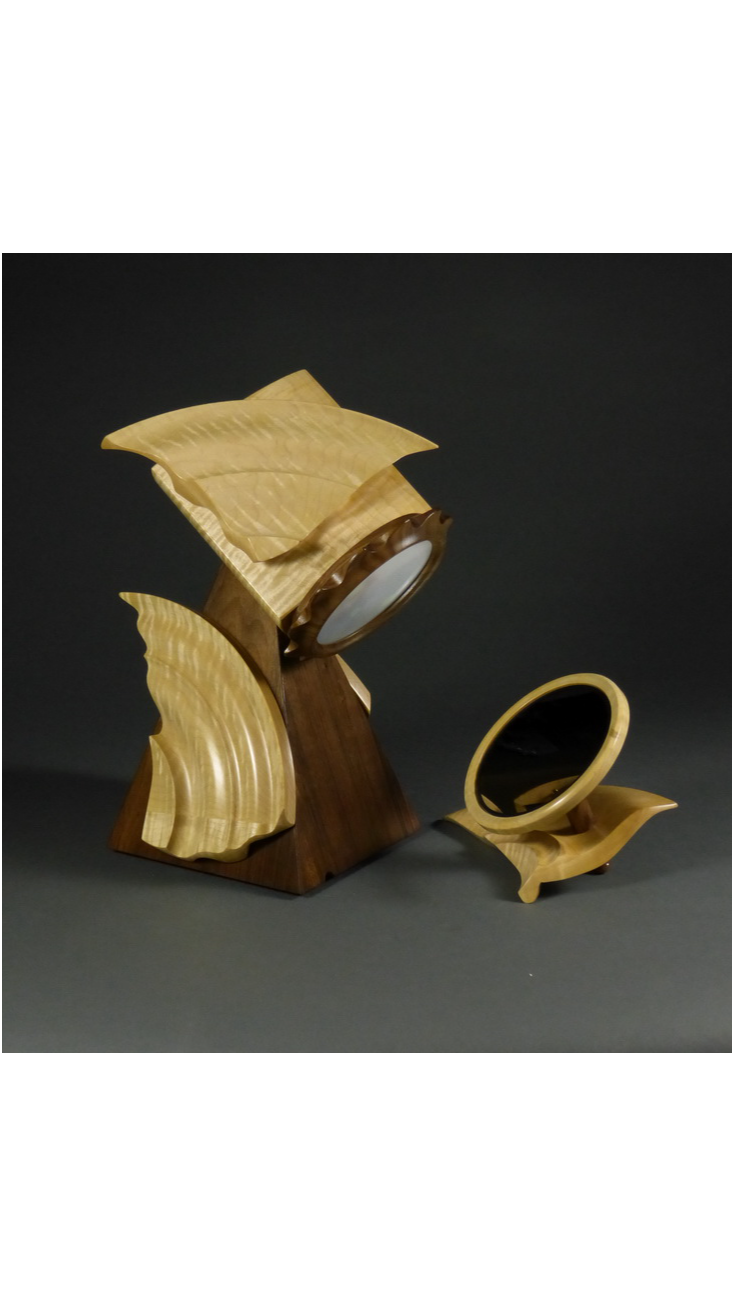
Handcrafted wood kaleidoscopes utilizing exotic and domestic woods represent significant artistic investment. Skilled artisans create precise joints, smooth mechanisms, and flawless finishes that require extensive time and expertise. The combination of premium lumber with master-level woodworking skills produces instruments that function as both optical devices and sculptural art pieces.
Stained Glass and Crystal Components
Premium optical components, including stained glass elements and crystal objects, create superior visual experiences that justify higher pricing. Hand-selected materials and custom-created object cells demonstrate artistic commitment beyond mass-production approaches. These premium components contribute to both immediate visual impact and long-term durability.
Artisan Kaleidoscopes Are a Serious Art Investment Opportunity
Contemporary kaleidoscope collecting combines aesthetic appreciation with legitimate investment potential through documented market activity and established valuation criteria. Industry experts at Steve Gray Kaleidoscopes say the combination of artistic merit, technical excellence, and proven secondary markets creates compelling opportunities for collectors seeking alternative art investments.
For collectors seeking entry into this specialized market, focusing on established artists, documented rarity, and superior condition provides the foundation for both aesthetic enjoyment and potential value appreciation. The kaleidoscope collecting community’s emphasis on craftsmanship, development, and artistic vision ensures continued market development and collector interest. At the end of the day, beauty is in the eye of the beholder – and the saying has never been more appropriate than in this artistic community.
Steve Gray Kaleidoscopes
1140 Old Jerome Highway
Clarkdale
Arizona
86324
United States